HULL SURVEY: FABRICATION & ASSEMBLY PROCEDURE

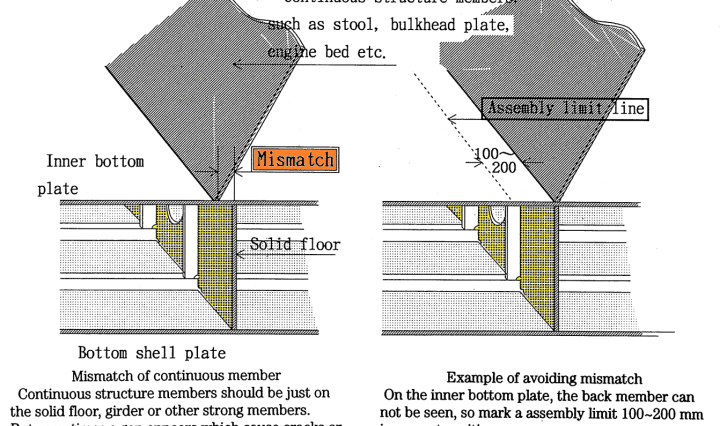
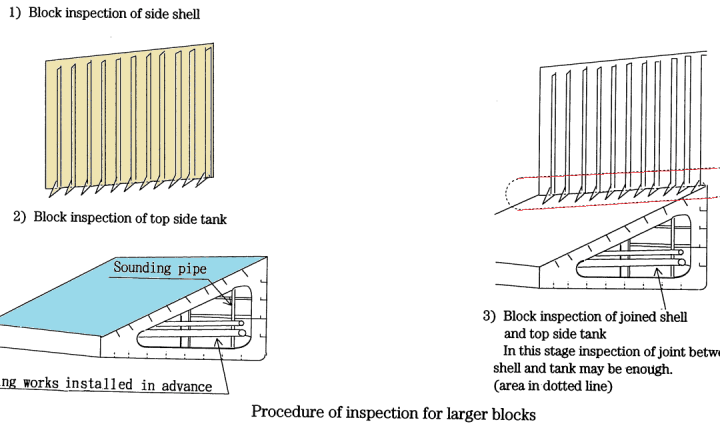
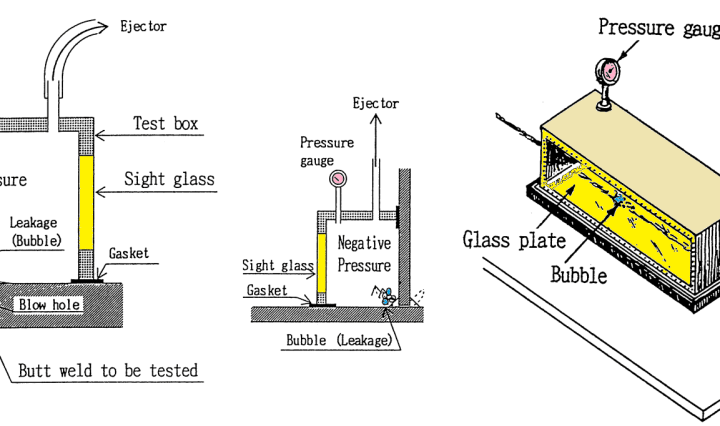
General Defects in construction usually cannot be detected after the fabrication and welding work has been finished. During in shop fabrication the precise accuracy of this process will govern the final accuracy of the assembly unit. The surveyor should engage in frequent patrol inspections, taking every possible opportunity available on the way to or from the block yard to carry out block inspections or from building berth for tightness tests etc. He has to pass the fabrication shops to see the prefabrication process such as surface treatment, marking, gas cutting, bending, bracket profile, build-up section, tack welding etc. When defects … Continue reading HULL SURVEY: FABRICATION & ASSEMBLY PROCEDURE

ALLOY ELEMENT AFFECTION IN STEEL PROPERTIES

If you are in steel industry, have you ever notice what all those chemical composition listed on a steel materials test report really mean? You may only know different steel grade has many different chemical composition and elements in different amount. Here in this post, we sort out and list 21 chemical elements and effects on steel properties. 21 Chemical Elements and Effects on Steel Mechanical Properties Steel in general is an alloy of carbon and iron, it does contain many other elements, some of which are retained from the steel making process, other elements are added to produce specific properties. … Continue reading ALLOY ELEMENT AFFECTION IN STEEL PROPERTIES

SPIGOT TYPE OF PENETRATION (Explanation and design at side shell concept)

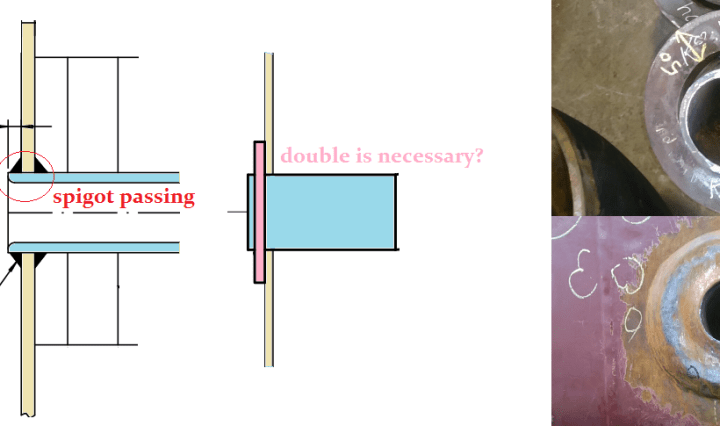
In shipbuilding terminology, a definition of spigot type is commonly used for the pipe penetration through the bulkhead or side shell. To understand the meaning of spigot type is necessary because of most pipe penetrations on ship leading to side … Continue reading SPIGOT TYPE OF PENETRATION (Explanation and design at side shell concept)