

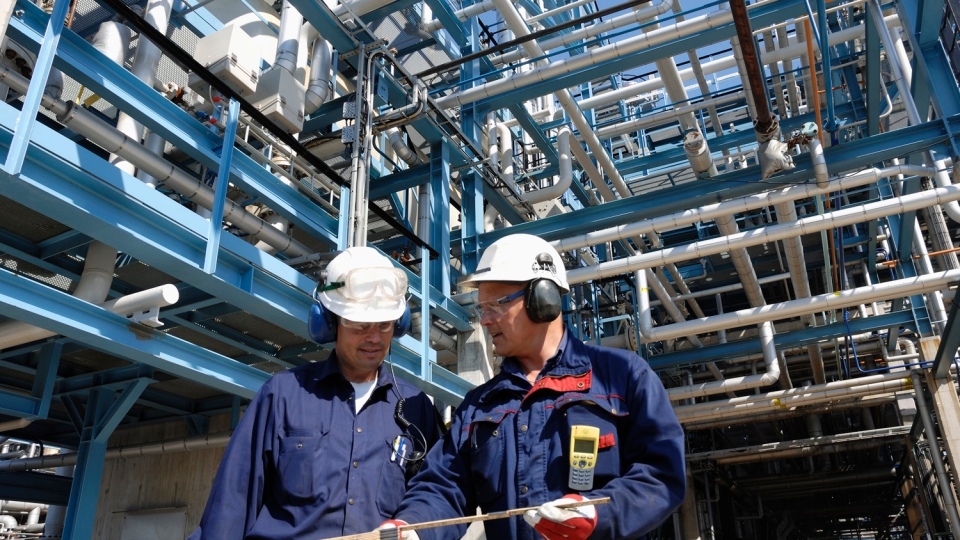

Intrinsically Safe Cable
Intrinsic safety – I.S is a protection technique for the safe operation of electrical and electronic equipment/system in Hazardous Areas where any ignition source needs to be eliminated. Electrical cables are essentially sealed from damage, external electrical or magnetic fields (EMI), and isolated from non-intrinsically safe circuits. (Avoid the increase of amperes mA in I.S system –> A –> Hot spot –> Ignition -> Explosion ) I.S cables are usually colored blue so as to identify the potential risk of the electric circuit and the need for special consideration. The I.S cable to be separated from Non-I.S circuits. Hazardous areas is the … Continue reading Intrinsically Safe Cable
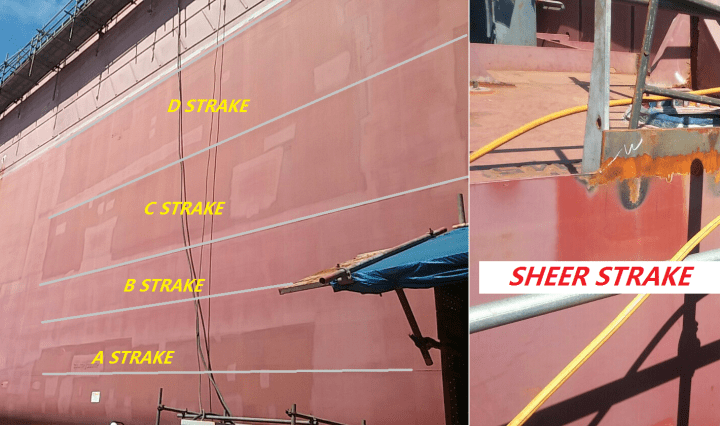
Sheer Strake – An important plate of ship
This topic is an additional knowledge support for SHIP STRENGTH CALCULATION (Part 1) and SHIP STRENGTH CALCULATION (Part 2). Under sea-going condition, the Hogging and Sagging condition make the ship steel be continuously compressed and stretched those making steel become fatigue collapsed specially … Continue reading Sheer Strake – An important plate of ship
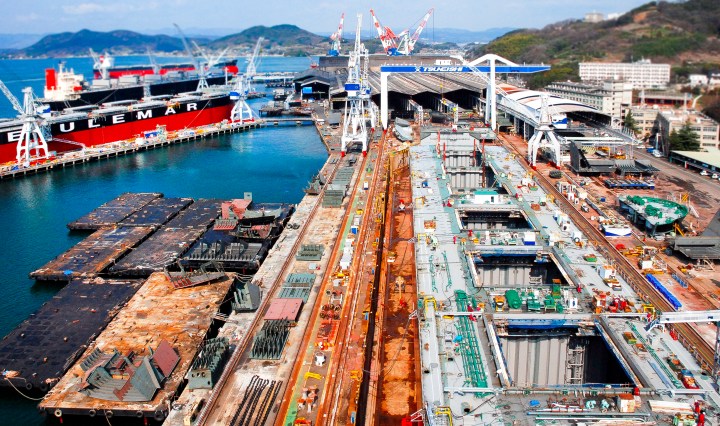
Design draft vs Scantling draft
The Draft, as simple definition is the distance between the sea level and the bottom of hull (included the thickness of bottom – see this topic) Meanwhile, at the initial design stage, there are two terms of Scantling & Design … Continue reading Design draft vs Scantling draft

Ship noise and vibration control
Vibration is a complex phenomena happen on ship and machinery space, to understand and have the first sight of vibration assessment or further development, the fundamental of vibration theory is the great article for your pre-learning with such concept. In this topic, i’ll try to make it it as simple as possible to know-how the vibration analysis and modeling solutions in engineering term. As defined, any motion that repeats itself after an interval of time is called vibration or oscillation. 1st Basic modeling objects A vibratory system, in general, includes a means for storing potential energy – thế năng (spring or … Continue reading Ship noise and vibration control
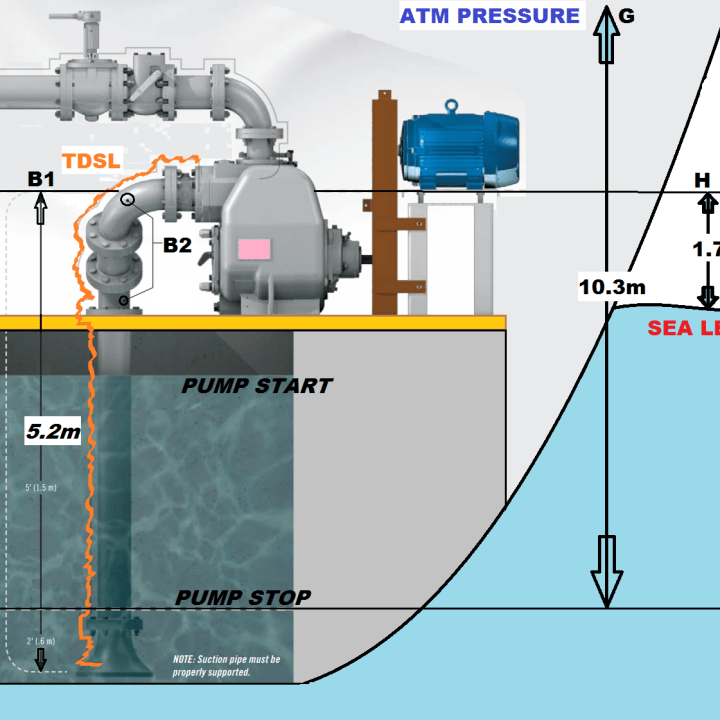
NPSH – How much is enough? (theory and exam)
A general introduction about NPSH in CENTRIFUGAL PUMP (Advanced) article. But the confusion raised that you still not understand how it works and how to evaluate the NPSH … Continue reading NPSH – How much is enough? (theory and exam)

Zinc in the Fuel oil (affection on Machinery explanation & experiment, gears, and prevention)
For marine work, we have tank and pipe to store & transfer oil. Now this topic will search about the effect of Zinc coating for tank and pipe in fuels oil. The concentration of zinc in a fuel was found depend upon … Continue reading Zinc in the Fuel oil (affection on Machinery explanation & experiment, gears, and prevention)
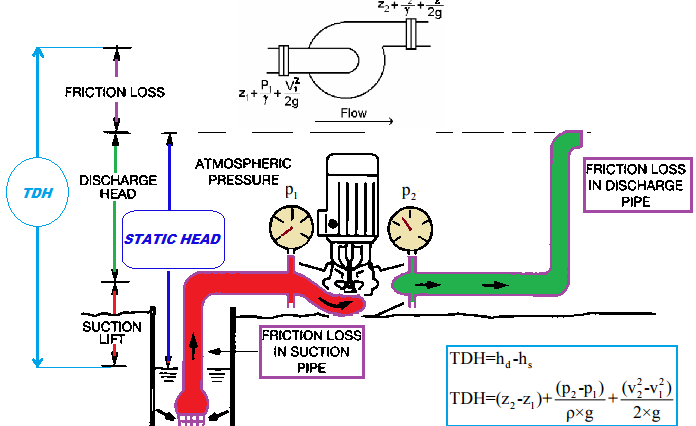
Pump Head vs Discharge Pressure (Easy explanation and examples)
One of the most important factor when inspect a pump is to find out the real Static Head or How much height that the pump can lift the fluid . ( See the CENTRIFUGAL PUMP (Advanced) to see how to calculate the pump … Continue reading Pump Head vs Discharge Pressure (Easy explanation and examples)

EEDI and CO2 emission
During the 62nd session of the MEPC (11–15 July 2011), at IMO Headquarters in London, the represented Parties to MARPOL Annex VI adopted amendments to Annex VI Regulations for the prevention of air pollution from ships. Considered the first regulation to establish CO2 standards across a global sector, the Energy Efficiency Design Index (EEDI). In terms of CO2 emissions, shipping contributes to about 2.5% of the world’s emissions and the emission rate will increase by 75% in the next 15 years due to demand and growth in global trade. What is EEDI mean? The EEDI is used to calculate a … Continue reading EEDI and CO2 emission

Ship Green passport and demolition
Today, when recycling and re-using goods and products become an important requirement, even ships are recycled. With the rise in awareness towards maritime environment, there have been several changes in the process of ship breaking, which have given rise to a new term – green ship recycling. Why is Ship Recycling needed? Ship dismantling is highly necessary as the maintenance expenses of a particular vessel keep increasing with time and difficult to affordable. Therefore, the shipowners seek the easy way out and hand over the old vessel for effective disposal, so that they can focus on dealing with other regular expenses … Continue reading Ship Green passport and demolition
 AMARINE