


ASME B16.5 para. 6.4.6 Flange imperfections
ASME B16.5 Section 6.4.6 addresses acceptable flange facing surface finish imperfections. The requirements are:“Imperfections in the flange facing finish shall not exceed the dimensions shown in Table 3 (Table II‐3 of Mandatory Appendix II). A distance of at least four times the maximum radial projection shall separate adjacent imperfections. A radial projection shall be measured by the difference between an outer radius and inner radius encompassing the imperfection where the radii are struck from the centerline of the bore. Imperfections less than half the depth of the serrations shall not be considered cause for rejection. Protrusions above the serrations are … Continue reading ASME B16.5 para. 6.4.6 Flange imperfections

Weld beveling for flange and fitting
Butt weld fittings is one of the most popular connection type in pipeline systems. It always been required in large quantities in different industries, and especially for the large diameter pipelines. What is Butt Weld FittingsButt weld is to connect pipes or fittings ends by welding. It’s a weldable steel pipe fitting that would allow to branch off, allow for change of direction of flow, attach auxiliary equipment, or reduce the size of the pipe. We aware the beveling is very important processes in the whole production procession of butt-welding pipe fittings, we always make beveling according to the standard … Continue reading Weld beveling for flange and fitting
Flange Standards Summary EN, US
Flange standards A flange standard lays down the dimensions, surface finish, facing type, marking, material and technical specifications for flanges. National flange standards in Europe have largely been superseded by the European EN 1092 series. It comprises flanges with DIN origin and PN/DN designations (DN classification being dependent on PN). Various national standards bodies have incorporated this standard into their respective national standards: DIN EN 1092; BS EN 1092 und NF EN 1092. European standard EN 1092: Flanges and Their Joints (Circular Flanges for Pipes, Valves, Fittings and Accessories, PN designated) Part 1: Steel flanges, PN 2.5 to PN 400 Part … Continue reading Flange Standards Summary EN, US

Forged Flanges vs Cast Flanges
ARE FLANGES FORGED OR CAST? Flanges can either be forged or cast. Both manufacturing methods have their advantages and disadvantages, depending on the application you have in mind for your flange. Here at Texas Flange, we primarily deal with forged flanges due to the outdated nature and lower standard of quality of cast flanges. Below, we will delve into the advantages and disadvantages of both forged steel flanges and cast iron flanges. Casting is the process in which the metal is heated until molten then poured into a mold or vessel to create the desired shape. They are only used in cases … Continue reading Forged Flanges vs Cast Flanges

PTFE vs Teflon
You also have concerns about PTFE vs Teflon when choosing a polymer for your products: What is the difference between the two? The only difference resides profoundly in the word. PTFE is the simpler shape of the polytetrafluoroethylene component and the common name for the same material is Teflon. Look no further than PTFE if you are looking for a highly versatile, non-stick material which is resistant to chemical, electrical and thermal stress. What is PTFE? Polytetrafluoroethylene is a synthetic material made up of two fundamental elements: carbon and fluorine to earn it its description in its entirety. This is … Continue reading PTFE vs Teflon

Why is the Gap needed on Socket Welds
The socket weld is a pipe attachment detail in which a pipe is inserted into a recessed area of a valve, fitting, or flange. The joint construction is a good choice wherever the benefits of high leakage integrity and great structural strength are important design considerations. Advantages of Socket Weld Pipe Fittings The socket weld pipe fittings can be used in place of threaded fittings, so the risk of leakage is much smaller. Socket weld pipe need not be beveled for weld preparation. The weld metal can not penetrate into the bore of the pipe. Construction costs are lower than with butt-welded joints due … Continue reading Why is the Gap needed on Socket Welds
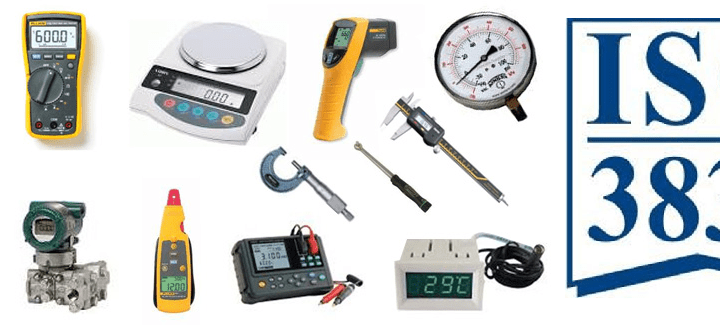
Calibration of Welding Tools, Equipment with ISO 3834 requirement.
The manufacturer shall be responsible for the appropriate calibration or validation of measuring, inspection and testing equipment. All equipment used to assess the quality of the construction shall be suitably controlled and shall be calibrated or validated at specified intervals. … Continue reading Calibration of Welding Tools, Equipment with ISO 3834 requirement.

What is Knockout drum?
The Knock out drum is a vessel in the flare header system designed to remove & accumulate condensed & entrained liquids from the relief gases. Both the horizontal & vertical design is a common consideration for the Knock out drum, … Continue reading What is Knockout drum?
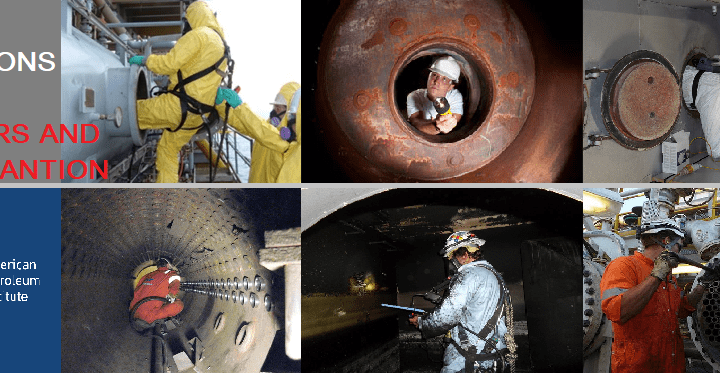
API 510 Questions and Answers (ASME VIII – Nozzle Reinforcement)
After completed the Part 6: Opening Weld-size, we will continue to try on the Open/Close questions on Module ASME VIII – Nozzle Reinforcement on Vessel as a part of in-the-exam API 510 Body of knowledge (BOK) If you don’t know how API 510 … Continue reading API 510 Questions and Answers (ASME VIII – Nozzle Reinforcement)
 AMARINE